
Where the Casa Blanca Brand Exists in the 2026 High-End Landscape
Although the spelling “Casa Blanca brand” is frequently entered by digital shoppers, it points to the actual Casablanca fashion house operating in Paris and launched by Charaf Tajer in 2018. In the saturated luxury market of 2026, Casablanca occupies a particular and more and more impactful space: contemporary luxury with powerful narrative, high-quality materials and a creative fingerprint grounded in tennis, journeys and resort culture. The brand shows collections during Paris Fashion Week, sells through premium multi-label boutiques and stores globally, and lists its pieces in line with labels like Amiri, Jacquemus, Rhude and Palm Angels. This status locates Casablanca above luxury streetwear but beneath heritage fashion houses like Louis Vuitton or Gucci, giving it latitude to develop while retaining the creative autonomy and desirability that fuel its ascent. Appreciating where the Casa Blanca brand fits in this hierarchy is important for customers who want to buy wisely and recognise the offering behind each acquisition.
Profiling the Core Audience
The average Casablanca customer is a fashion-savvy consumer between 22 and 42 years old who holds dear personal expression, wanderlust and arts participation. Many buyers work in or near creative fields—design, media, music, hospitality—and want clothing that signals style and flair rather than wealth alone. However, the brand also resonates with professionals in finance, tech and law who wish to elevate their off-duty wardrobes with something more special than https://casablanca-pants.org typical luxury basics. Women constitute a rising segment of the customer base, captivated by the label’s relaxed cuts, colourful prints and leisure-friendly mood. By region, the most active markets in 2026 comprise Western Europe, North America, the Middle East, Japan and South Korea, though Instagram has expanded awareness across the globe. A meaningful further audience comprises collectors and secondary-market traders who track exclusive drops and older pieces, appreciating the brand’s potential for growth in value. This wide-ranging but consistent customer profile affords Casablanca a wide business base while retaining the feeling of limited access and cultural richness that won over its founding fans.
Casa Blanca Brand Key Audience Profiles
| Segment | Age | Motivation | Favourite Categories |
|---|---|---|---|
| Cultural professionals | 25–40 | Creativity | Silk shirts, knitwear, prints |
| Premium streetwear fans | 18–35 | Limited editions | Hoodies, track sets, caps |
| Travel and travel shoppers | 28–45 | Holiday wardrobe | Shorts, shirts, accessories |
| Collectors and resellers | 20–38 | Investment | Rare prints, collaborations |
| Women customers | 22–42 | Dresses, skirts, silk pieces |
Pricing Tier and Quality Perception
Casablanca’s pricing reflects its status as a current luxury house that emphasises design, construction quality and small-batch production over mass-market reach. In 2026, T-shirts typically price between 200 and 350 dollars, hoodies and sweatshirts between 400 and 700 dollars, silk shirts between 700 and 1 200 dollars, knitwear between 450 and 900 dollars, and outerwear between 800 and 2 000 dollars depending on intricacy and textiles. Accessories like caps, scarves and compact bags sit between 100 to 500 dollars. These prices are largely in line with labels like Amiri and Rhude but can be more affordable than some Jacquemus or Off-White pieces at the premium end. What validates the investment for many customers is the blend of original artwork, high-end fabrication and a cohesive creative identity that makes each piece feel intentional rather than unremarkable. Secondary-market values for in-demand prints and limited drops can outstrip original retail, which reinforces the reputation of Casablanca as a savvy investment rather than a shrinking cost. Customers who compare cost-per-outfit—considering how frequently they actually wear a piece—frequently find that a multi-use silk shirt or knit from Casablanca provides excellent value despite its initial price.
Retail Plan and Store Network
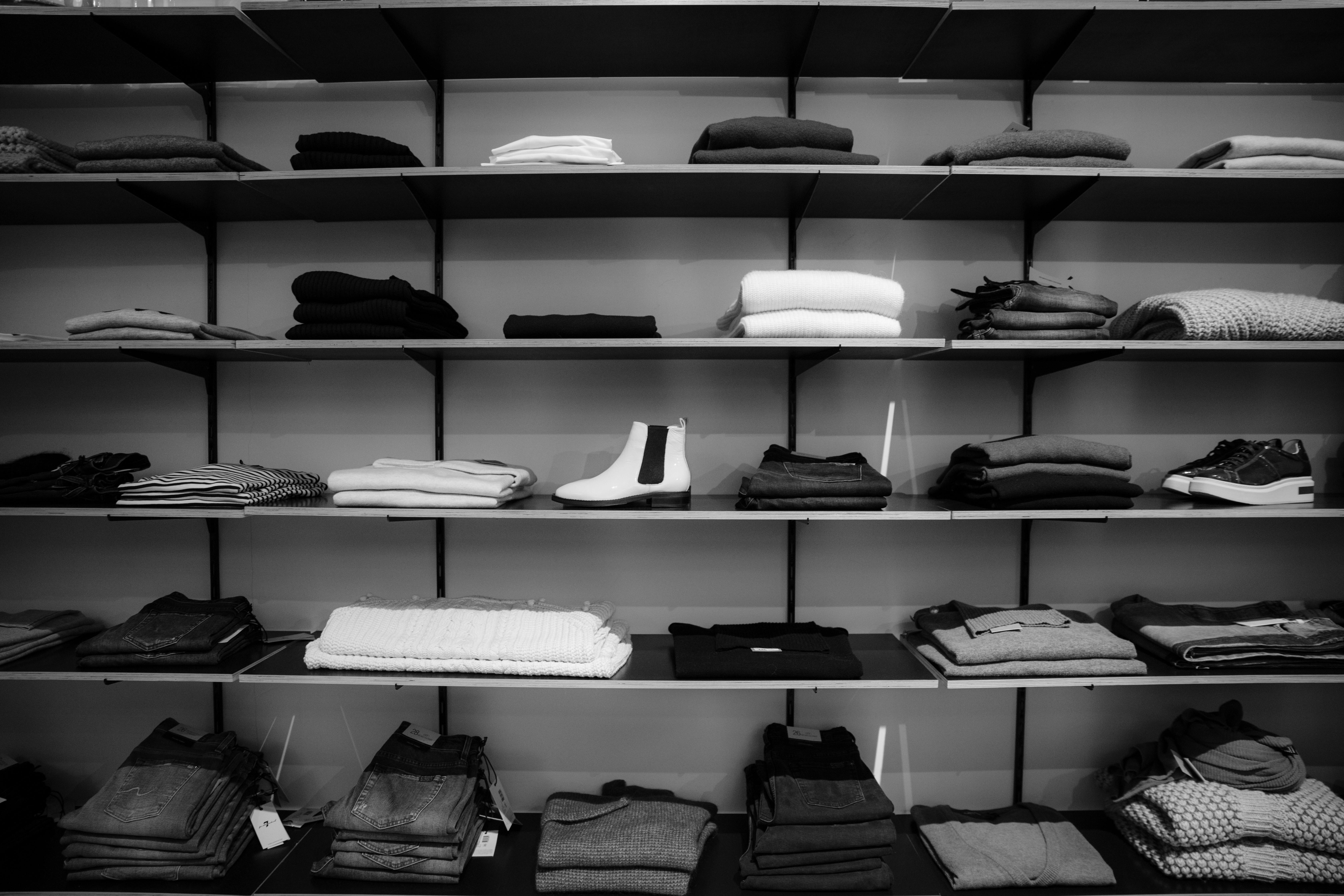
The Casa Blanca brand employs a deliberate sales model built to safeguard desirability and stop brand dilution. The chief direct-to-consumer channel is the official website, which carries the full range of latest collections, limited drops and seasonal sales. A flagship store in Paris works as both a retail space and a lifestyle centre, and temporary locations launch from time to time in cities like London, New York, Milan and Tokyo during fashion events and arts events. On the retail partner side, Casablanca collaborates with a curated roster of luxury retailers including SSENSE, Mr Porter, Farfetch, Browns, Dover Street Market and certain department stores such as Selfridges, Neiman Marcus and Isetan. This controlled distribution means that the brand is accessible to dedicated shoppers without reaching every discount outlet or budget aggregator. In 2026, Casablanca is apparently growing its store network with full-time stores in two further cities and greater investment in its e-commerce experience, featuring AR try-on features and upgraded size recommendations. For customers, this signals rising ease of shopping without the ubiquity that can undermine luxury cachet.
Brand Status Versus Comparable Labels
Grasping the Casa Blanca brand’s place calls for measuring it with the labels it most frequently sits next to in luxury stores and style editorials. Jacquemus has a related French luxury pedigree but tilts more toward pared-back design and earthy palettes, positioning the two brands complementary rather than opposing. Amiri delivers a more intense, music-influenced California identity that resonates with a separate audience. Rhude and Palm Angels inhabit the high-end casual space with graphic-rich designs that touch on some of Casablanca’s everyday pieces but are without the vacation and tennis story. What distinguishes Casablanca apart from all of these is its unwavering dedication to hand-drawn prints, color saturation and a defined spirit of delight and leisure. No other label in the current luxury tier has built its full world around tennis and sport and coastal travel with the same thoroughness and consistency. This unmatched position affords Casablanca a protected DNA that is challenging for newcomers to reproduce, which in turn reinforces lasting market position and price power.
The Importance of Collaborations and Special Editions
Collaborations and capsule releases serve a important function in the Casa Blanca brand’s strategy. By joining forces with athletic brands, creative institutions and design brands, Casablanca introduces itself to fresh audiences while generating enthusiast excitement among existing fans. These drops are generally manufactured in low runs and feature joint prints or special colour options that are not available in core collections. In 2026, collab pieces have emerged as some of the hottest items on the aftermarket market, with select releases trading above launch retail within hours of launching. For the brand, this tactic creates news attention, funnels traffic to retail and reinforces the view of scarcity and allure without diluting the regular collection. For customers, collaborations offer a opportunity to buy one-of-a-kind pieces that exist at the crossroads of two creative worlds.
Future View and Customer Strategy
For shoppers deciding how the Casa Blanca brand works within their own style universe in 2026, the label’s identity points to a few smart methods. If you prefer a wardrobe focused on colour, illustrated design and resort energy, Casablanca can work as a key source for signature pieces that ground outfits. If your style is quieter, one or two Casablanca garments—a knit, a shirt or an accessory—can bring character into a understated wardrobe without overhauling your full closet. Collectors and collectors should monitor limited prints and partnership releases, which traditionally keep or exceed their initial value on the secondary market. No matter the strategy, the brand’s dedication to excellence, storytelling and limited distribution supports a customer experience that feels deliberate and gratifying. As the luxury market shifts, labels that offer both emotional resonance and real quality are set to beat those that rely on virality alone. Casablanca’s positioning in 2026 signals that it is designing for longevity rather than passing trendiness, establishing it a brand meriting following and buying from for the long haul. For the newest pricing and supply, visit the main Casablanca website or browse selections on Mr Porter.

Join The Discussion